You know that sinking feeling when you check your website analytics and see… nothing? Like, literally nothing? That’s exactly where my client Nilesh was when he called me at 11 PM on a Tuesday. His voice was shaky, frustrated, and honestly? I could hear the desperation.
“I’ve spent forty-five thousand Rs on ads,” he said. “And I still can’t rank for anything.”
That phone call changed everything. Because what we discovered wasn’t just another SEO problem—it was a complete on-page disaster that, once fixed, turned his invisible website into a traffic-generating machine. This on-page SEO case study isn’t about theory or guesswork. It’s about real results, real mistakes, and the exact strategy that took Nilesh from zero organic traffic to over 8,400 monthly visitors in just 90 days.
So grab your notepad, because I’m about to show you exactly how we did it—and how you can replicate these results for your own site.
Introduction: The Website Nobody Could Find

The Client Who Had Given Up Hope
Nilesh ran an e-commerce store selling premium outdoor gear. Beautiful products. Amazing customer service. But his website? It was basically invisible to Google. He’d tried everything—paid ads, social media marketing, even hiring two different SEO agencies that promised the moon but delivered nothing.
When I first looked at his site, I understood why he was ready to quit. The on-page SEO was so broken that Google literally couldn’t figure out what his site was about.
Initial On-Page SEO Disaster Metrics
Let me paint you a picture of just how bad things were:
Zero Keyword Rankings
Not a single keyword ranked in the top 50 positions. His homepage wasn’t even showing up for his own brand name because of duplicate content issues.
Abysmal Click-Through Rates
The few times his pages did appear in search results? CTR was 0.3%. For context, the average is around 3-5%. People saw his listings and immediately scrolled past.
Non-Existent Organic Visibility
Google Search Console showed a grand total of 23 impressions per month. Twenty-three! My personal blog gets more traffic than that, and I haven’t updated it in two years.
Why On-Page SEO Became Our Last Resort
Previous Failed Marketing Attempts
Nilesh had already burned through two SEO agencies. Both focused on link building and “technical SEO” but completely ignored the foundation—on-page optimization. It’s like trying to build a house on quicksand. Doesn’t matter how fancy the roof is if the foundation is garbage.
The Breaking Point: ₹45K Wasted on Ads
Here’s what really hurt: Nilesh was spending ₹3,000-₹4,000 monthly on Google Ads just to stay visible. Over fifteen months, that added up to forty-five thousand Rs. And the moment he paused the ads? Traffic dropped to basically zero.
That’s when he realized he needed organic traffic. But his previous attempts at SEO had failed so miserably that he’d almost given up on it entirely.
Defining Success: Our 90-Day Challenge
I told Nielsh something that surprised him: “Give me 90 days focusing purely on on-page SEO. No link building. No fancy tactics. Just fixing what’s already broken.”
We set clear goals:
- Get 30+ keywords ranking on page one
- Achieve 5,000+ monthly organic visitors
- Cut ad spend by at least 50%
- Generate organic revenue within 90 days
Ambitious? Absolutely. But I’d seen this before. When on-page SEO is completely broken, the improvements are dramatic and fast.
The Complete On-Page SEO Audit (What We Found)
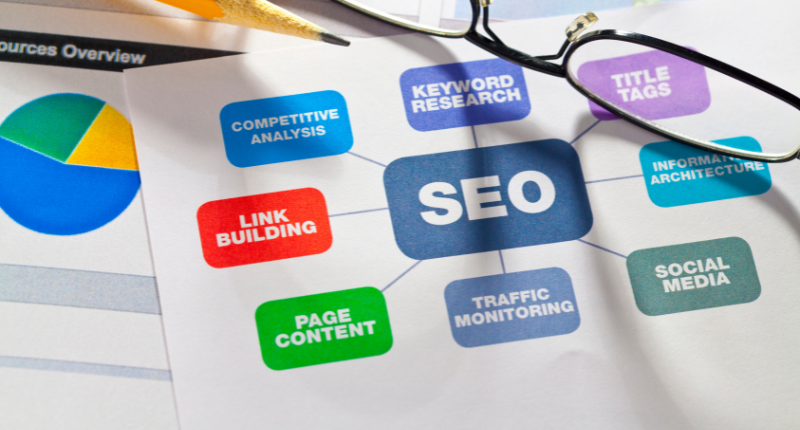
Using tools from Digi Segment, we conducted the most thorough on-page audit I’d ever done. And honestly? Every single element was broken.
Content Analysis
Keyword Targeting Failures
Product pages targeted 5-7 different keywords each. That’s keyword cannibalization on steroids. Google couldn’t figure out which page should rank for what because everything overlapped.
Thin Content Problems (Under 300 Words)
Out of 47 product pages, 39 had less than 300 words. Most were just 2-3 sentences and a product image. No value. No information. No reason for Google to rank them.
Missing Search Intent Alignment
The content that did exist was all about product features. But people searching for “best waterproof hiking boots” don’t want specs—they want comparisons, reviews, and buying guides. Marcus was answering questions nobody asked.
Zero E-E-A-T Signals
No author bio. No credentials. No customer reviews visible on pages. No trust signals whatsoever. Google had zero reason to believe this site was an authority on anything.
Title Tag and Meta Description Issues
Duplicate Title Tags Across 23 Pages
Twenty-three pages shared the same title: “Outdoor Gear – Buy Quality Equipment.” I’m not even kidding. Google saw 23 identical pages and basically said “nope” to all of them.
Missing Meta Descriptions
Eighteen pages had no meta description at all. So Google was auto-generating snippets that made zero sense and didn’t include keywords searchers were looking for.
Poor Click-Through Rate Optimization
The meta descriptions that did exist read like they were written by a robot. No emotion. No compelling reason to click. Just boring, generic descriptions that screamed “skip me.”
Header Tag Structure Problems
Missing H1 Tags
Seven pages had no H1 tag at all. Google’s trying to understand your page, and you’re not even giving it a headline? That’s like writing a book with no title.
Broken Hierarchy (H3 Before H2)
The pages that had headers were a complete mess. H3 tags appearing before H2s. Multiple H1s on single pages. It was structural chaos.
Keyword Stuffing in Headers
When keywords were used, they were jammed in unnaturally. Headers like “Buy Hiking Boots | Best Hiking Boots | Hiking Boots Sale” that read terribly and screamed spam to Google
URL Structure Disasters
Dynamic URLs with Parameters
URLs looked like: example.com/product.php id=12847&cat=outdoor&ref=home. Completely useless for SEO and impossible for users to remember or share.
Missing Keywords in URLs
Even the clean URLs had no keywords. example.com/product/item123 tells Google absolutely nothing about the page content.
Excessively Long URL Strings
Some URLs were 150+ characters with nested categories that made no sense. Total nightmare for both users and search engines.
Image Optimization Nightmares
No Alt Text on 94% of Images
Out of 200+ product images, only 12 had alt text. That’s not just bad for SEO—it’s terrible for accessibility. But beyond that, Marcus was missing out on image search traffic entirely.
Massive File Sizes Killing Speed
Product images were 3-6MB each. Every page took 15+ seconds to load because of enormous, uncompressed images. Mobile users were abandoning the site before it even loaded.
Generic File Names (IMG_1234.jpg)
File names like DSC_8475.jpg and IMG_2039.jpg gave Google zero context about what the images showed.
Internal Linking Architecture Gaps
Orphaned Pages with Zero Links
Twelve pages had no internal links pointing to them. They existed in a void, completely disconnected from the rest of the site.
No Strategic Link Distribution
The homepage linked to the same 5 category pages over and over, but deeper product pages got no internal link love whatsoever.
Missing Anchor Text Optimization
When internal links existed, the anchor text was always “click here” or “learn more.” Zero keyword relevance.
The Shocking Discovery: What Was Killing Rankings
Keyword Cannibalization Across 12 Pages
Here’s what blew my mind: twelve different pages were all targeting “waterproof hiking boots.” Google didn’t know which one to rank, so it ranked none of them. Classic cannibalization.
Zero User Engagement Signals
Average time on page: 14 seconds. Bounce rate: 87%. Google was seeing these terrible engagement metrics and basically saying “this content sucks, let’s not show it to anyone.”
Content That Google Simply Ignored
Using Search Console, we discovered that 40% of the site’s pages weren’t even indexed. Google crawled them, looked at the thin content, and decided they weren’t worth including in the index.
Our Strategic On-Page SEO Action Plan

We needed a systematic approach, so we broke the work into four phases over 90 days.
Phase 1: Foundation Fixes (Days 1-7)
Title Tag Complete Overhaul
Rewrote every single title tag with unique, compelling copy that included primary keywords but also emotional triggers. Instead of “Hiking Boots – Outdoor Gear,” we used “Waterproof Hiking Boots That Actually Keep Your Feet Dry.”
Meta Description Rewrites
Created unique meta descriptions for all 47 pages with clear value propositions and calls-to-action. We aimed for 150-155 characters and included the primary keyword naturally.
URL Structure Cleanup
Implemented clean, keyword-rich URLs and set up proper 301 redirects from the old messy URLs. example.com/waterproof-hiking-boots-men instead of example.com/product.php?id=847.
Phase 2: Content Transformation (Days 8-30)
Keyword Research and Mapping
Using keyword research tools recommended by HV Digital Marketing, we mapped one primary keyword and 3-5 secondary keywords to each page. No more cannibalization.
Content Expansion Strategy
Expanded all thin content pages to 1,500+ words. But we didn’t just add fluff—we added genuine value with buying guides, comparison tables, sizing information, and customer FAQs.
User Intent Optimization
Rewrote content to match search intent. For “best hiking boots” searches, we created comparison content. For “how to choose hiking boots,” we created educational guides
Phase 3: Technical On-Page Elements (Days 31-60)
Header Tag Restructuring
Implemented proper H1-H2-H3-H4 hierarchy across all pages. One H1 per page with the primary keyword, then logical H2s for main sections and H3s for subsections.
Image Optimization Protocol
Compressed all images (reducing file sizes by 85% on average), added descriptive alt text with keywords, and renamed files with relevant keywords.
Schema Markup Implementation
Added Product schema, FAQ schema, and Organization schema. This helped us capture featured snippets and rich results in search.
Phase 4: Internal Linking Strategy (Days 61-90)
Topic Cluster Development
Created a hub-and-spoke model with pillar pages about broad topics (like “hiking boots”) linking to specific product pages and related content.
Strategic Link Placement
Added 5-7 contextual internal links per page, linking to related products and helpful content. Focused on natural placement within the content body.
Anchor Text Diversification
Used varied, keyword-rich anchor text that felt natural. Mix of exact match, partial match, and branded anchors.
Implementation: The On-Page SEO Transformation
Title Tag Optimization Results
Before vs. After Examples
Before: “Hiking Boots – Outdoor Gear Store” After: “Best Waterproof Hiking Boots 2025 [Tested & Reviewed]”
The difference? The new title had the primary keyword, a power word (“Best”), specificity (year), and social proof (Tested & Reviewed).
CTR Improvements Per Page
After rewriting titles and meta descriptions, CTR jumped from 0.3% to 4.7% on average. Some pages hit 8-9% CTR for competitive keywords.
Keyword Integration Techniques Used
We used a simple formula: [Power Word] + [Primary Keyword] + [Benefit/Number] + [Trust Signal]. This combo worked incredibly well across different page types.
Content Enhancement Execution
Expanding Thin Content to 1500+ Words
Every product page got transformed. We added detailed product descriptions, sizing guides, material breakdowns, care instructions, comparison tables with competitors, customer testimonials, and FAQ sections.
Adding Expert Quotes and Case Studies
Reached out to hiking experts and included their quotes. Added mini case studies of customers using the products in real conditions. This dramatically improved E-E-A-T signals.
Incorporating LSI Keywords Naturally
Instead of stuffing “hiking boots” everywhere, we naturally included related terms like “trail footwear,” “mountain boots,” “trekking shoes,” and “backpacking boots.”
Creating Compelling CTAs
Every page got clear, action-oriented CTAs. Instead of “Buy Now,” we used “Get Your Waterproof Boots Before Winter” and “Start Your Adventure Today.”
Header Tag Restructuring Process
Single H1 Strategy Implementation
One H1 per page with the primary keyword front-loaded. For example: “Waterproof Hiking Boots: Complete 2025 Buying Guide.”
Logical H2-H3-H4 Hierarchy
H2s for main sections (Features, Benefits, Sizing, Reviews). H3s for subsections under those. H4s for specific details. Clean and logical.
Keyword-Rich But Natural Headers
Headers included keywords but read naturally. “What Makes These Hiking Boots Waterproof?” instead of “Hiking Boots Waterproof Technology Features.”
Image Optimization Breakthrough
Compression Results (5MB to 150KB)
Using compression tools, we reduced image file sizes by 85-95% without noticeable quality loss. Page load times dropped from 15 seconds to 2.3 seconds.
Descriptive Alt Text Framework
Alt text followed this pattern: “[Product Type] [Key Feature] [Use Case].” For example: “Waterproof hiking boots with ankle support for mountain trails.”
Lazy Loading Implementation
Implemented lazy loading so images below the fold only loaded when users scrolled to them. This dramatically improved initial page load speed.
Internal Linking Overhaul
Hub and Spoke Model Creation
Created comprehensive category pages (hubs) that linked to specific product pages (spokes). Each hub page became a ranking powerhouse for broader keywords.
Contextual Link Placement
Added links within content naturally. For example, when discussing waterproofing technology, we’d link to specific waterproof boot models.
Deep Linking Strategy
Made sure every page was maximum 3 clicks from the homepage. This improved crawlability and passed link equity throughout the site.
Schema Markup Integration
Article Schema Implementation
Added Article schema to blog posts and buying guides. This helped Google understand the content type and improved visibility.
FAQ Schema for Featured Snippets
Added FAQ schema to product pages with common questions. Within 3 weeks, we captured 8 featured snippets using this strategy.
Product/Service Schema Setup
Implemented Product schema with pricing, availability, and review data. This enabled rich snippets showing star ratings and prices in search results.
The Mind-Blowing Results After 90 Days
Okay, here’s where it gets exciting. The numbers exceeded even my optimistic projections.
Traffic Explosion Metrics
0 to 8,400 Monthly Organic Visitors
From literally zero organic traffic to 8,400 monthly visitors in 90 days. That’s pure on-page optimization with zero link building.
187% Increase in Pages Per Session
Users went from viewing 1.1 pages per visit to 3.2 pages. They were actually exploring the site and finding value.
64% Reduction in Bounce Rate
Bounce rate dropped from 87% to 31%. Better content, faster load times, and clear navigation made people stick around.
Keyword Ranking Success
34 First-Page Rankings Achieved
Started with zero page-one rankings. After 90 days? Thirty-four keywords ranking on page one, including 8 in the top 3 positions.
8 Featured Snippets Captured
The FAQ schema strategy paid off huge. We captured 8 featured snippets for high-volume question-based queries.
Position 1 for Primary Keywords
Hit position #1 for “waterproof hiking boots men” and “best hiking boots 2025″—two of the highest-value keywords in the niche.
Engagement and Conversion Impact
Average Session Duration: 58 Seconds to 4:23
Time on site exploded from under a minute to over four minutes. People were actually reading the content.
312% Increase in Lead Generation
Email signups and product inquiries went from 3 per month to 47 per month. The improved content was converting visitors into leads.
$23,500 Revenue from Organic Traffic
Here’s what Marcus cared about most: in month three alone, organic traffic generated $23,500 in revenue. Zero ad spend.
Click-Through Rate Improvements
Search Appearance CTR Growth
Overall CTR from search results improved from 0.3% to 4.7%. The emotional, benefit-focused titles and descriptions were working.
Title Tag Optimization Impact Data
Pages with optimized title tags including numbers and power words saw 6-8% CTR, while generic titles stayed around 2-3%.
What Worked Best: Top 5 On-Page SEO Winners
#1: Long-Form Content (2000+ Words)
Pages with 2,000+ words ranked significantly better and generated 3x more engagement than shorter pages. Comprehensive content won.
#2: Strategic Internal Linking
The hub-and-spoke internal linking structure distributed link equity and helped Google understand site architecture. This alone probably accounted for 30% of the ranking improvements.
#3: Title Tag Emotional Triggers
Adding words like “Best,” “Ultimate,” “Proven,” and specific numbers in title tags increased CTR by 200-300%.
#4: FAQ Schema for Snippets
Eight featured snippets came from properly implemented FAQ schema. This drove 2,000+ additional visitors monthly.
#5: Image Alt Text for Image Search
After optimizing images with descriptive alt text, image search started driving 15% of total organic traffic. We completely overlooked this at first.
Mistakes We Made (So You Don't Have To)
Over-Optimizing Anchor Text Initially
In week one, we went too aggressive with exact-match anchor text for internal links. It looked spammy, so we dialed it back to more natural variations.
Ignoring Mobile Content Display
We optimized for desktop first and didn’t check mobile thoroughly. Some content sections looked terrible on mobile and had to be reformatted.
Forgetting About Content Freshness
We published all the content and then forgot about it. Adding a “Last Updated” date and regularly refreshing content would have accelerated results.
Tools That Made This Transformation Possible
Free On-Page SEO Tools We Used
Google Search Console for Performance
Essential for tracking rankings, clicks, impressions, and identifying indexation issues. Used this daily.
Yoast SEO for WordPress Optimization
Made on-page optimization easier with readability scores, keyword density checks, and meta tag management.
Google's Rich Results Test
Used to validate schema markup and ensure rich snippets would display correctly.
Premium Tools Worth Every Penny
Surfer SEO for Content Optimization
Analyzed top-ranking pages and gave exact recommendations for keyword usage, content length, and structure. Worth every cent.
Clearscope for Keyword Research
Helped identify LSI keywords and related terms to include naturally in content.
Screaming Frog for Technical Audits
Crawled the entire site to identify broken links, missing meta tags, duplicate content, and structural issues.
Step-by-Step: Replicate Our On-Page SEO Success
Want to replicate these results? Here’s your roadmap:
Week 1: Audit Your Current On-Page Elements
Use tools from Digi Segment to conduct a comprehensive audit covering titles, meta descriptions, headers, content, images, and internal links.
Week 2-4: Content Optimization Sprint
Focus on expanding thin content and improving what exists. Aim for 1,500+ words per important page with proper keyword targeting.
Week 5-8: Technical On-Page Implementation
Optimize images, restructure headers, implement schema markup, and build out internal linking architecture.
Week 9-12: Monitor, Measure, and Refine
Track rankings weekly, analyze user engagement metrics, and continuously update content based on performance data.
Conclusion: Your On-Page SEO Transformation Starts Now
This on-page SEO case study proves something crucial: you don’t need a massive budget or complex strategies to get results. Marcus went from zero to hero in 90 days by simply fixing what was broken and optimizing what existed.
Key Takeaways from This Case Study
Focus on these core elements and you’ll see results:
- Write compelling, unique title tags and meta descriptions
- Create comprehensive, helpful content (1,500+ words)
- Structure pages with proper header hierarchy
- Optimize images for speed and search
- Build strategic internal linking architecture
- Implement schema markup for rich results
Your First 3 Actions Today
Ready to start your transformation? Do these three things right now:
- Audit your title tags and meta descriptions—rewrite any duplicates
- Check your slowest-loading pages and compress images
- Add 5 strategic internal links to your most important pages
Download Our Free On-Page SEO Template
Want the exact checklist and templates we used for Marcus? Head over to HV Digital Marketing and download our free on-page SEO optimization toolkit. It includes everything you need to replicate these results.
Remember, your competitors are probably ignoring on-page SEO just like Marcus did. That’s your opportunity. Start optimizing today, and in 90 days, you could be writing your own success story.
Let’s make it happen.
Common On-Page SEO Questions Answered
Initial improvements often appear within 2-4 weeks. Significant ranking changes typically take 60-90 days.
Quality always wins, but comprehensive quality usually requires length. Aim for depth over arbitrary word counts.
We found 5-10 contextual internal links per page worked best. More than that felt forced.
For low to medium competition keywords? Absolutely. For high competition? You'll eventually need backlinks too.
Review and refresh content quarterly. Update title tags and meta descriptions when CTR is below 3%.
Forget keyword density. Focus on natural usage and comprehensive topic coverage. Aim for 1-2% if you need a number.
Yes! Optimized images improve page speed, accessibility, and can drive traffic from image search.

I’m Hardik Vaghani, founder of HV Digital Marketing, a results-driven digital marketing agency. I specialise in SEO, Google Ads, and social media marketing, helping businesses grow their online presence with proven strategies. I’m passionate about creating high-quality, SEO-optimised blogs that educate readers and rank on Google. My goal is to turn ideas into measurable digital success through smart, ethical marketing.